
What is Dogecoin (DOGE)?

Cryptocurrency
5 min read time
|Updated: 2026-03-12
Dogecoin is a cryptocurrency that emerged in 2013 inspired by “meme” culture; over time, it has gained strong visibility in the crypto market thanks to its large community, low-fee approach, and fast transfer structure. The symbol of Dogecoin is the Shiba Inu dog, and this cultural identity has played an important role in the growth of the doge community. Dogecoin is technically
Proof of Work (PoW) based and uses the Scrypt algorithm.
What Is Dogecoin?
Dogecoin is an open-source cryptocurrency network that operates with peer-to-peer transfer logic. Although it emerged in 2013 as a project inspired by meme culture, over time it has secured a permanent place in the crypto ecosystem with its large community and practical transfer structure.
Dogecoin’s visibility in the market may be sensitive not only to general
crypto market conditions, but also to community influence and periodic waves of interest.
Who Are the Founders of Dogecoin?
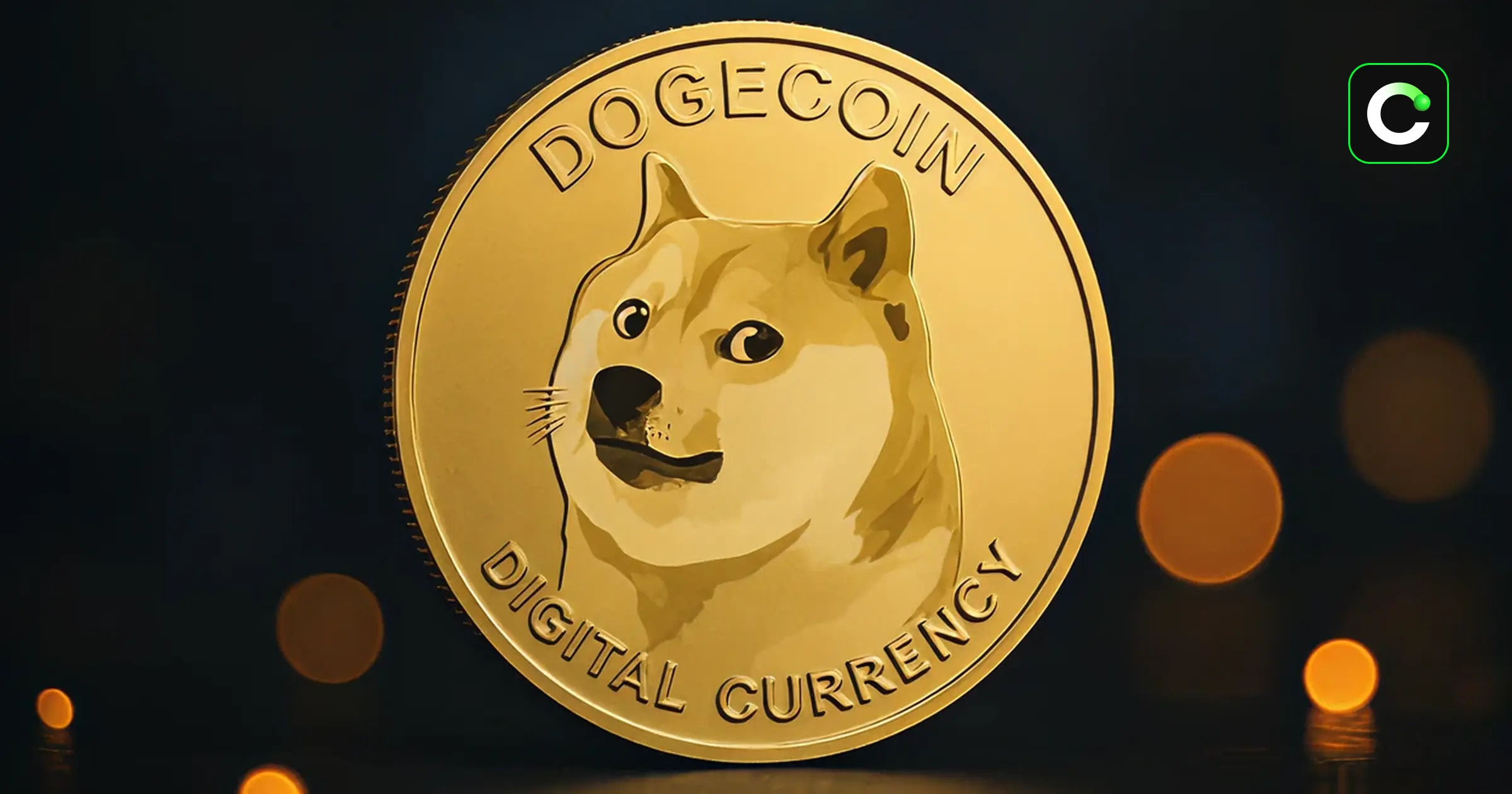
Dogecoin was developed in 2013 by software engineer Billy Markus and marketing specialist Jackson Palmer. The project emerged with an idea that addressed the “overly serious” atmosphere in the crypto world in a more entertaining way, and it was announced and made available on December 6, 2013.
What Are the Features of Dogecoin (DOGE)?
Technical and economic features that stand out for Dogecoin:
-
PoW + Scrypt: Dogecoin uses Scrypt-based PoW (similar to the Litecoin ecosystem).
-
Block time close to 1 minute: Dogecoin aims to speed up transfer confirmations by keeping block time short.
-
No maximum supply cap (inflationary model): Dogecoin has no maximum supply ceiling. Annual issuance is designed to be ~5 billion DOGE.
-
Merge mining: Dogecoin has adopted the merged mining model (AuxPoW) with Litecoin.
While these points strengthen Dogecoin’s practical “payment/transfer” focus, due to the nature of its supply model they can also lead to different interpretations of long-term dynamics.
How Does Dogecoin Work?
Dogecoin records transactions into blocks, and miners on the network secure the chain by validating blocks. Transaction fees and block rewards are part of the network’s economic cycle.
A commonly given technical framework for Dogecoin’s supply/reward mechanism is as follows:
-
1 block/minute
-
10,000 DOGE / block
-
Approximately 5 billion new DOGE annually
Although the relative inflation rate decreases over time as total supply grows, this structure continues to add DOGE to circulation on a regular basis.
How Is Dogecoin Mining Done?
Dogecoin mining works through block production/validation under the PoW logic. Dogecoin’s Scrypt algorithm directly affects mining equipment and pool preferences.
In practice, two main approaches are seen on the Dogecoin mining side:
-
Participation via mining pools : Rewards are shared within the pool.
-
Merged mining ecosystem: Dogecoin adopts the merged mining approach with Litecoin, positioning itself in a model where the same work (hash power) can provide security to more than one chain.
Note: Mining profitability depends on variables such as electricity cost, device efficiency, network difficulty, and Dogecoin price.
What Makes Dogecoin Unique?
One of the main factors that makes Dogecoin unique is that it has a large and active community. Since DOGE is a crypto asset that is frequently on the agenda on social media platforms and community channels, its visibility may increase periodically. In particular, posts by highly influential figures such as Elon Musk about Dogecoin are among the factors that strengthen Dogecoin’s popularity.
In addition, the emergence of the “DOGE” abbreviation in some public-efficiency-themed initiatives in the U.S., and the association of this abbreviation with Dogecoin in internet culture, has made Dogecoin’s link with meme culture even more visible. Such developments contribute to Dogecoin sometimes being referred to not only as a cryptocurrency but also as a cultural phenomenon.
How to Buy Dogecoin?
General steps to buy Dogecoin (DOGE) via CoinTR:
-
Register and create your account.
-
Complete the identity verification (KYC) step.
-
Deposit TRY into your account.
-
You can buy quickly with a market order or place a limit order at your target price.
-
You can keep the DOGE assets you buy in your CoinTR wallet or withdraw them into your personal wallet.
For tracking Dogecoin price, Dogecoin chart data on the relevant pair screen on CoinTR helps you read the market view.
Dogecoin Review

Dogecoin reviews are generally handled under three main headings:
-
Market dynamics: Dogecoin price movement, trading volume, volatility, and overall crypto market sentiment are read together.
-
Network economics: The supply structure (no maximum supply) and the new issuance/distribution model are important for understanding DOGE’s long-term dynamics.
-
Community and visibility: Dogecoin’s strong community associated with meme culture can periodically affect visibility and demand perception.
Therefore, when making a doge review, considering not only Dogecoin chart data but also fundamentals such as supply structure, liquidity conditions, and market sentiment provides a healthier approach.
FAQ
How much is Dogecoin in TL?
Dogecoin’s TL price changes instantly. You can track the current value on CoinTR via the
DOGE/TRY screen.
How much is Dogecoin in dollars?
Dogecoin’s dollar-based price changes instantly. You can track it on CoinTR via the
DOGE/USDT screen.
How much is Dogecoin?
The question “how much is Dogecoin” generally refers to the current price. For the most accurate tracking, you can monitor Dogecoin price and volume data on CoinTR via the chart.
When was Dogecoin launched?
Dogecoin was launched on December 6, 2013 by Billy Markus and Jackson Palmer.
What was the all-time high of Dogecoin?
According to sources, Dogecoin’s all-time high was recorded around the $0.73 range in May 2021.
 2025-02-24
Legal Notice
The information, comments, and evaluations contained in this content do not constitute investment advice. This content is not intended to be prescriptive in any way and is intended to provide general information. It does not constitute investment advice. CoinTR cannot be held responsible for any transactions made based on this information or any losses that may arise.
 What is Shiba Inu (SHIB)?
Recommended
 CryptocurrencyWhat is Ethereum (ETH)? Ethereum is an open-source and globally accessible blockchain platform that enables the development of smart contracts and decentralized applications (dApps). Launched in 2015, Ethereum goes beyond being just a digital currency; it serves as a programmable infrastructure for finance and technology. The native cryptocurrency used on the Ethereum network is called Ether (ETH). ETH is used to process transactions on the network and support economic act2025-01-30
 CryptocurrencyWhat Is Aptos (APT)? Aptos (APT) is one of the blockchain projects that has recently garnered attention for its focus on high transaction speeds and scalability. This project, which stands out for its technical infrastructure and the solutions it offers, is increasingly being discussed within the crypto ecosystem. So, what is Aptos, how does it work, and what does the APT Coin actually offer? What Is APT Coin? APT Coin is the native cryptocurrency of the Aptos network. Aptos stands out as a first-layer Proof of Sta2026-04-10
 CryptocurrencyPAXG vs XAUT: What Are the Differences? Gold is no longer confined to vaults; it is now represented on blockchain as well. Known as tokenized gold, this structure enables users to access a different model of ownership through digital assets pegged to the price of gold. PAX Gold (PAXG) and Tether Gold (XAUT), two leading players in this space, share a similar foundation but differ in terms of their structure and use cases. What Is PAXG Coin? PAXG coin is an asset-backed cryptocurrency where each token represents a specific amount of p2026-04-08


